Trying to explain your pain in a language that doesn’t feel like yours is exhausting. So is wondering whether a provider will understand your family, your faith, or the way you talk about your feelings. You can find a psychiatrist who understands you in Arabic and in English.
Look for a board-certified provider who speaks Arabic in a clinical setting, confirm that before you book, and choose a practice that offers flexible visits and clear insurance information. At The Place of Hope, our Dearborn Heights team offers psychiatric care in both English and Arabic, in person or online. The rest of this guide shows you how to judge any clinic, so you can choose with confidence.
Psychiatry depends on conversation. Your provider learns what is wrong by listening to how you describe it: when the sadness started, what your sleep is like, what your thoughts do at 3 a.m. If every sentence has to be filtered through a second language, details get lost.
Many Arabic speakers also describe emotional pain in phrases that don’t translate neatly. A tight chest, a heavy heart, or a “tired soul” can mean something specific to a clinician who has heard it many times before. Language shapes how well you’re understood, which in turn affects how accurate your diagnosis and treatment plan will be.
I’ve had patients tell me they spent years describing their symptoms in English, only to feel relieved the first time they could just say it the way they think it. They weren’t hiding anything before. The right words just weren’t available to them.
You have more options than you may realize. Here are the most useful places to begin:
Ask your primary care doctor. They often know which local psychiatrists are accepting new patients.
Check your insurance directory. Many insurers let you filter by language spoken.
Ask people you trust. Family, friends, and community members may have good leads, and personal experience carries weight.
Search by location and language. Terms like “Arabic-speaking psychiatrist Dearborn Heights” bring up clinics near you.
Read patient reviews. Look for comments about feeling heard, not just about wait times.
A psychiatrist is a medical doctor (MD or DO) who can diagnose mental health conditions and prescribe medication. A psychiatric-mental health nurse practitioner (PMHNP) is also qualified to evaluate and treat patients. Look for the words “board-certified” on the provider’s profile. It means they’ve met national standards beyond basic licensing.
Dr. Ammar Ali has more than 10 years of experience in hospital and outpatient settings, and Soha Alammoury is a board-certified psychiatric nurse practitioner. You can read more about both providers on our About Us page.
“Arabic-speaking” can mean different things. Some staff can greet you in Arabic. Others can hold a full clinical conversation. Ask directly: Will my provider conduct the entire visit in Arabic if I prefer? At our clinic, the answer is yes.
Some people feel more at ease with a male provider, and others with a female provider. This matters more than many people admit, especially when the conversation gets personal. We have both, so you can choose the clinician you’re most comfortable with.
A short phone call can save you weeks of frustration. Consider asking:
Are you accepting new patients right now?
Does the provider speak Arabic fluently during appointments?
Do you offer telehealth as well as in-person visits?
Which insurance plans do you accept?
What does a first visit cost if I don’t have insurance?
How quickly can I be seen?
Wait times matter. One patient told us they were surprised to get an appointment just two days after calling. When you’re struggling, a fast start can make a real difference.
Many people fear the first appointment more than the treatment itself. It is mostly a conversation. We ask about your symptoms, health history, family, daily routine, and what you hope will change. We are not there to judge you, and there are no wrong answers.
From there, we build a plan around your goals. That might include medication management, where we carefully choose, adjust, and monitor your medications so you’re never left guessing. For some patients, medication isn’t the first step, and we talk that through openly.
The first visit is really about safety and trust. I’m not trying to rush to a prescription. I want to understand what a hard week looks like for you, because that tells me far more than a checklist does.
Arabic-speaking patients come to us for many reasons. Some of the most common are:
If you feel persistently sad, numb, or on edge, you may be dealing with depression or anxiety. Both are medical conditions, not personal failures, and both respond well to treatment.
Sometimes standard antidepressants don’t work. That doesn’t mean you’re out of options. TMS therapy uses gentle magnetic pulses to stimulate mood-related areas of the brain, without medication. Spravato® is an FDA-approved nasal spray given under medical supervision for adults who haven’t improved with other treatments.
When someone has tried several medications and feels like nothing works, the hardest part is the hopelessness that comes with it. Seeing a patient realize that a different option exists, and that their brain hasn’t ‘failed,’ is one of the most meaningful parts of my work.
We evaluate and treat ADHD in children, teens, and adults. Our team also supports patients living with PTSD and sleep disorders. Many of our patients have lived through hardship that shaped their mental health long before they ever sat in a psychiatrist’s office.
Parents often worry that their child’s struggles will be misunderstood or dismissed. Our child psychiatry services give families a place to talk through concerns in the language they use at home.
Cost is a real barrier, so here is how ours works. We accept many commercial insurance plans, including Blue Cross Blue Shield, Aetna, Cigna, UnitedHealthcare, and Medicare. We do not accept Medicaid at this time. Coverage can vary by provider and location, so please check your coverage or call before scheduling. If you don’t have insurance, self-pay options are available, and our initial consultation fee is $300.
We also offer telehealth and evening appointments, which helps if you’re juggling work, school, or family responsibilities. Our clinic is at 2222 N Beech Daly Rd, Suite 1, Dearborn Heights, MI 48127.
Some of the most interesting parts of bilingual mental health care rarely get discussed:
Emotions can feel different in each language. Research suggests many bilingual people experience emotions as less intense in their second language. Some patients find it easier to talk about painful memories in English, while others can only access certain feelings in Arabic.
Distress often shows up in the body first. In many cultures, including Arabic-speaking communities, emotional pain is commonly described as physical: headaches, chest tightness, stomach trouble. A clinician who recognizes this pattern can look at the whole picture instead of treating each symptom in isolation.
Ramadan can change your treatment schedule. Fasting affects when and how medications are taken, and it can also shift sleep patterns. A thoughtful psychiatrist can adjust timing so you can observe safely.
Screening tools exist in Arabic. Well-known questionnaires for depression and anxiety have been translated and studied in Arabic-speaking populations, so you don’t have to answer them in a language that doesn’t feel natural.
One thing I’ve learned is that people rarely say ‘I’m depressed’ in the first five minutes. They say, ‘I can’t get out of bed,’ or ‘I feel like a burden.’ When you share a language and culture, you can hear what’s underneath those sentences much sooner.
Reaching out is often the hardest part. If you’re worried about stigma, remember that seeking care is a sign of strength, and many families in our community are quietly walking the same road. You deserve a provider who listens closely, respects your background, and explains every step in words you understand.
If you’re ready, you can call us at (313) 406-9996 or book a consultation through our Dearborn Heights psychiatric care page. We’d be honored to help you find your footing.
Disclaimer: This blog post is for educational purposes only and is not a substitute for professional medical advice, diagnosis, or treatment. Always seek the advice of a qualified healthcare provider with questions about a medical or mental health condition. If you are experiencing a mental health emergency or having thoughts of harming yourself, call 911 or the 988 Suicide & Crisis Lifeline right away.
About the Author
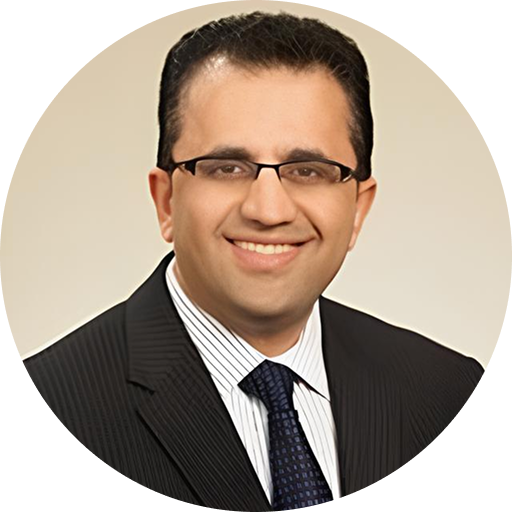
Ammar Ali, MD
With over 10 years of clinical experience across hospital and outpatient settings, Dr. Ali leads the practice with a focus on thoughtful and accessible psychiatric care. He prioritizes careful evaluation and individualized treatment planning tailored to each patient’s needs & goals.
Move Forward with
Hope and Healing
September 29, 2026